TPMS Tyre Sensors Explained: What the Warning Light Means and What to Do
A TPMS warning light is not something to ignore — but it is rarely an emergency in itself. Here is what a tyre pressure monitoring system does, why the light comes on, and the safe steps to take before you drive on.
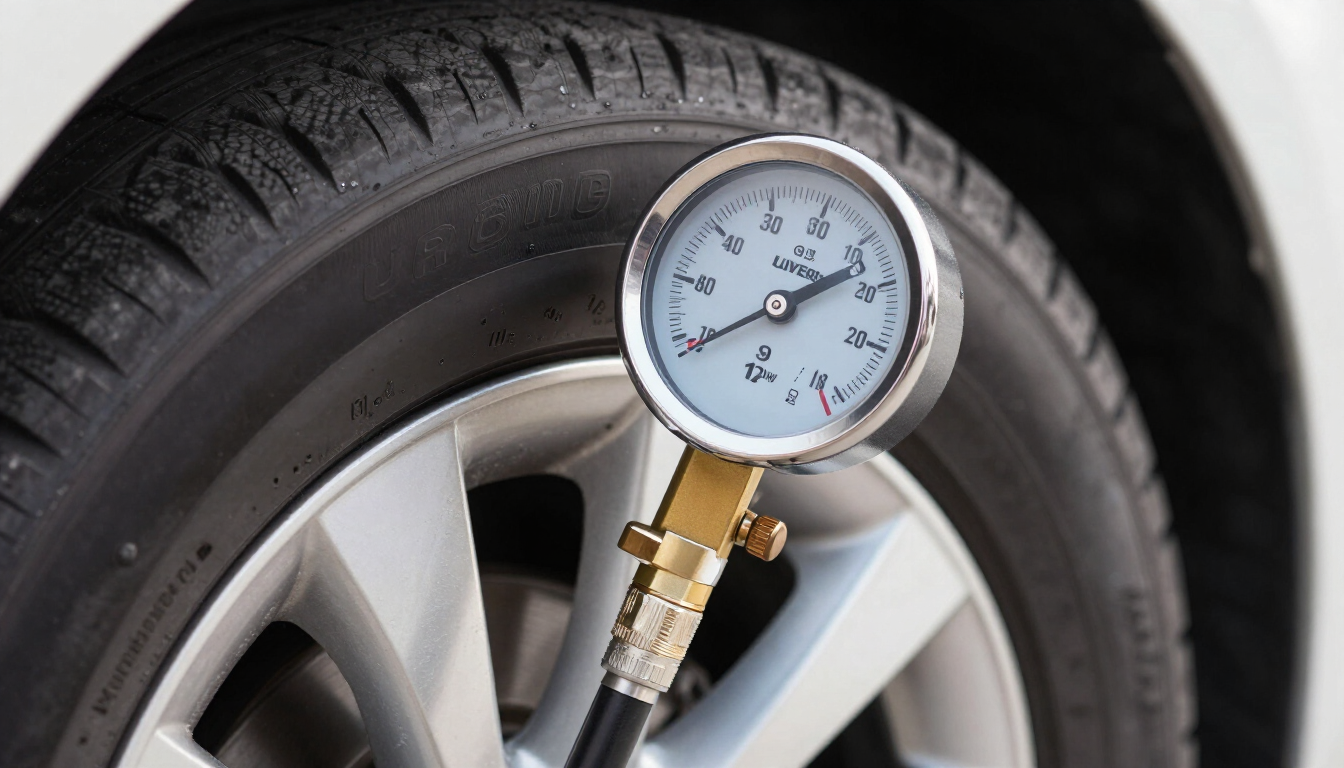
If a horseshoe-shaped symbol with an exclamation mark has lit up on your dashboard, that is your TPMS — the Tyre Pressure Monitoring System — telling you something has changed with one or more of your tyres. It is a useful early warning, not a reason to panic, but it is also not a light to drive around with for weeks. This guide explains what TPMS does, the two kinds of system you might have, the most common reasons the light comes on, and the safe steps to take before you decide whether to drive on or call for help.
What a TPMS does
A tyre pressure monitoring system keeps watch over the air pressure in your tyres while you drive. When it detects that a tyre is significantly under-inflated, it switches on the warning light on the dashboard to prompt you to stop and check. The system is there because under-inflated tyres are a real safety risk: they wear faster, use more fuel, run hotter, and are more likely to fail at speed. Catching a pressure loss early gives you the chance to deal with it before it becomes a blowout or a ruined tyre.
Since 2014, all new passenger cars sold in the UK and across the EU have been required to have a TPMS fitted as standard, so most drivers on the road today have one. It is worth knowing which kind yours is, because the two types behave slightly differently.
Direct and indirect TPMS — the difference
There are two main kinds of tyre pressure monitoring system, and they work in quite different ways.
- Direct TPMS uses a small pressure sensor inside each wheel — usually attached to the valve — to measure the actual air pressure and send a reading to the car’s computer. It is accurate, but the sensors are battery-powered and eventually wear out.
- Indirect TPMS does not measure pressure at all. Instead, it uses the car’s anti-lock braking wheel-speed sensors to detect when one wheel is rotating at a different rate to the others — a sign that a tyre has lost pressure and its rolling radius has changed.
The practical difference matters. A direct system can tell you roughly which tyre is low and how low it is; an indirect system only tells you that something is wrong somewhere, and it can be fooled by uneven tyre wear, different tyre sizes, or after a wheel change. Indirect systems also need to be “reset” after you inflate the tyres or swap wheels, so the car learns the new normal — check your handbook for how to do that on your vehicle.
Why the warning light comes on
The TPMS light can come on for several reasons, and not all of them mean a puncture. Understanding the common causes helps you judge what to do next.
- A genuine pressure loss — a slow puncture, a leaking valve, or a nail in the tread letting air escape.
- Cold weather — air contracts as it cools, so pressure drops overnight in winter and can trip the light even with a healthy tyre.
- A dead sensor battery — direct TPMS sensors have sealed batteries that typically last 5 to 10 years; when one dies, the light stays on.
- A sensor damaged during a tyre change — sensors sit close to the valve and can be broken if a tyre is removed carelessly.
- A system that needs resetting — after inflating, rotating or replacing tyres, an indirect TPMS may simply need relearning.
A useful clue is how the light behaves. If it comes on while driving and stays on, a tyre has lost pressure while you were moving. If it flashes for a minute or so when you start the car and then stays on, that often points to a sensor or system fault rather than a simple pressure loss — but the only way to be sure is to check the tyres themselves.
Safe steps to take
When the TPMS light comes on, the first rule is the same as for any tyre problem: find somewhere safe to stop before you do anything else. Do not brake hard, do not swerve, and do not stop in a live lane. Indicate, ease off the road onto a lay-by, a side street, or the hard shoulder of a motorway, and switch on your hazard lights.
- Pull over somewhere safe — never stop in a live lane to inspect a tyre.
- On a motorway, get behind the barrier with your passengers; do not sit in the car next to live traffic.
- Visually check all four tyres for obvious damage — a flat, a bulge, or something embedded.
- If you have a gauge, check the pressures against the figure on the fuel-filler sticker or in the handbook.
- If a tyre is clearly flat or damaged, do not drive on it — call for help.
If the tyres look and feel fine and the pressures are close to correct, the light may be a cold-weather drop, a sensor battery, or a system that needs resetting. In that case it is usually safe to drive carefully to a tyre professional and have it checked — but if you are in any doubt, or if a tyre looks low, do not risk driving on it.
A TPMS light is a prompt to check, not a diagnosis. Stop safe, look at the tyres, and decide from there.
When to call for professional help
Some TPMS situations you can handle yourself — inflating a slightly low tyre, or resetting the system after a pressure check. Others need a professional. If a tyre is flat or has a visible bulge, cut, or embedded object, do not drive on it; the car needs a tyre brought to it, not a careful drive to a garage. If the light stays on after you have confirmed the pressures are correct, a sensor may have failed and will need testing and replacing — a job for a fitter with the right diagnostic equipment.
It is also worth remembering that a TPMS light is not a substitute for checking your tyres by hand. Sensors measure pressure, not tread depth or sidewall condition, and an indirect system will not warn you about a tyre that is worn bald but still correctly inflated. A monthly walk-round with a gauge and a tread check is still the cheapest tyre insurance you can buy.
- How to check your tyre pressure (and why it matters)
- When to replace your tyres: tread, damage and the 20p test
If a tyre is the problem, we come to you
If your TPMS light has led you to a tyre that is flat, damaged, or will not hold pressure, there is no need to drive on it to reach a garage. Safe Tyres Gloucester comes to wherever your vehicle is safely parked — at home, at work or at the roadside — with the correct tyre and the equipment to fit and balance it on the spot. We cover cars, vans, 4x4s and EVs across Gloucester and the GL postcodes, with premium, mid-range and budget options.
Call 07778 496767 any time, day or night, or message us on WhatsApp with your location and vehicle registration. We will tell you honestly whether we can reach you and roughly how long we expect to be — no guaranteed arrival time, just a straight answer so you can decide what to do next.
- 24 hour mobile tyre fitting in Gloucester — how it works
- Same-day mobile tyre fitting in Gloucester
- 24-hour emergency tyre fitting: what to do at the roadside
Need tyre help now?
We come to you — day or night.
Mobile tyre fitting and emergency call-outs across Gloucester and the GL postcodes. Share your location and we will be on the way.
Keep reading
All articles
How Much Does Emergency Mobile Tyre Fitting Cost in Gloucester?
There is no single fixed price for an emergency mobile tyre fitting in Gloucester — the cost depends on the tyre, the vehicle, where you are and when you call. Here is exactly what affects the quote, and how to get an honest, up-to-date price.
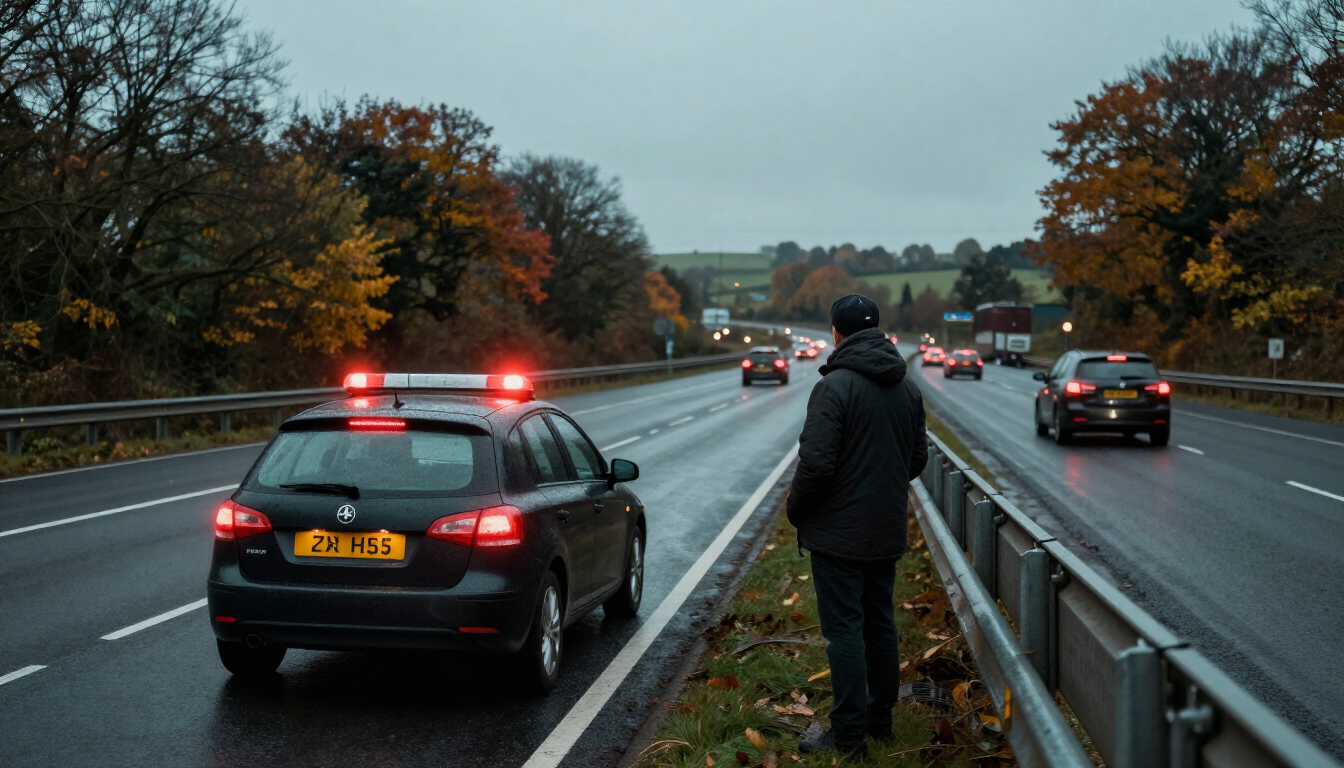
Flat Tyre on the M5 or A40 Around Gloucester: Exactly What to Do
A flat or blown tyre on the M5 or the A40 near Gloucester is frightening, but a clear plan keeps you safe. Here is the step-by-step roadside routine — get safe first, then call for help — with the official guidance to back it up.
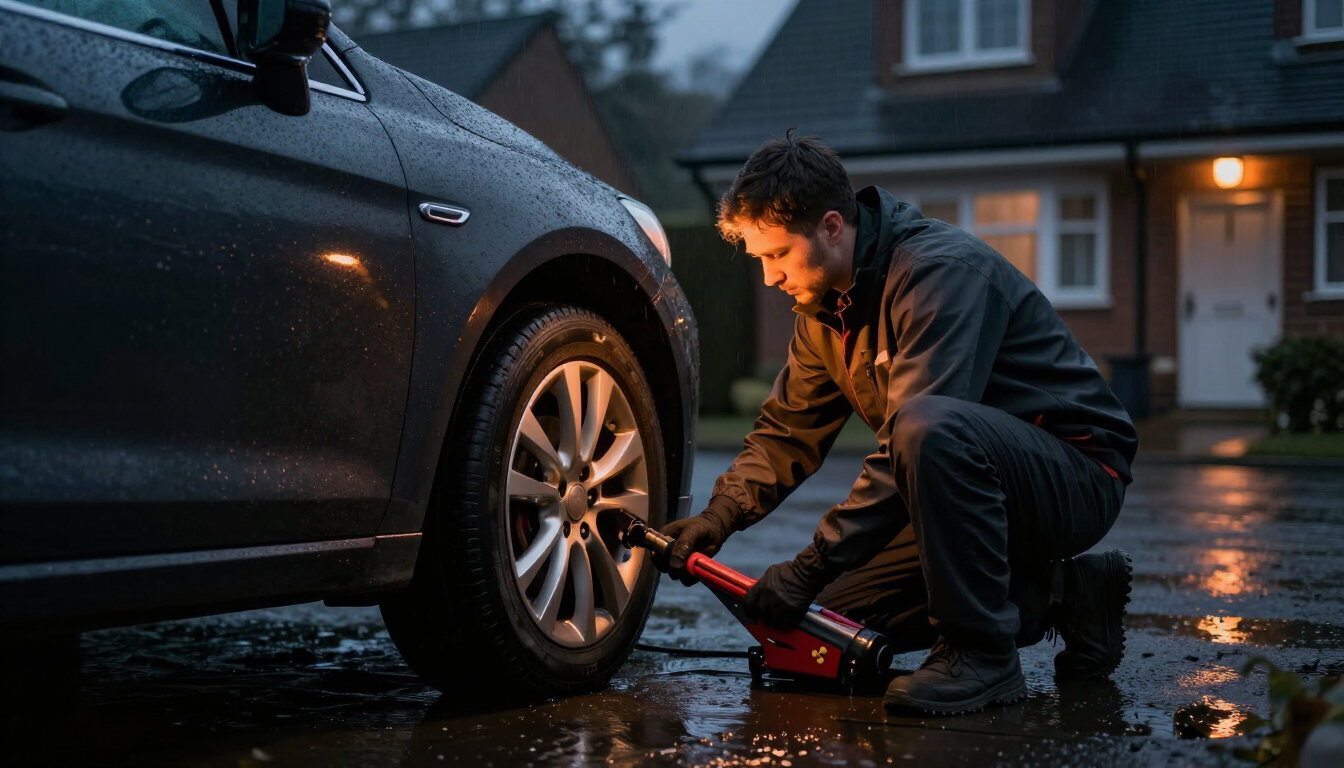
24 Hour Mobile Tyre Fitting Gloucester: Help at Home, Work & the Roadside
A flat tyre in Gloucester does not have to mean a wasted day or a dangerous drive to a garage. Here is how 24 hour mobile tyre fitting works at home, at work and at the roadside — and exactly what to tell us when you call.